Knowledge Centre
Latest industry updates

Technical Guide
NABERS vs NatHERS: Understanding the Key Differences in Building Energy Ratings
If you're involved in the design, construction or operation of buildings in Australia, you’ve likely come across both NatHERS and NABERS. While they are often mentioned together, they serve fundamentally different purposes and apply at different stages of a building’s lifecycle. Understanding the distinction between these two frameworks is essential for ensuring compliance requirements …

Regulatory
NCC 2025 Section J – What Commercial Builders Need to Know
Technical Guide
NatHERS Climate Zones
Technical Guide
NatHERS Star Ratings Explained

Technical Guide
NatHERS Whole of Home Assessment Process
Content
Case Studies
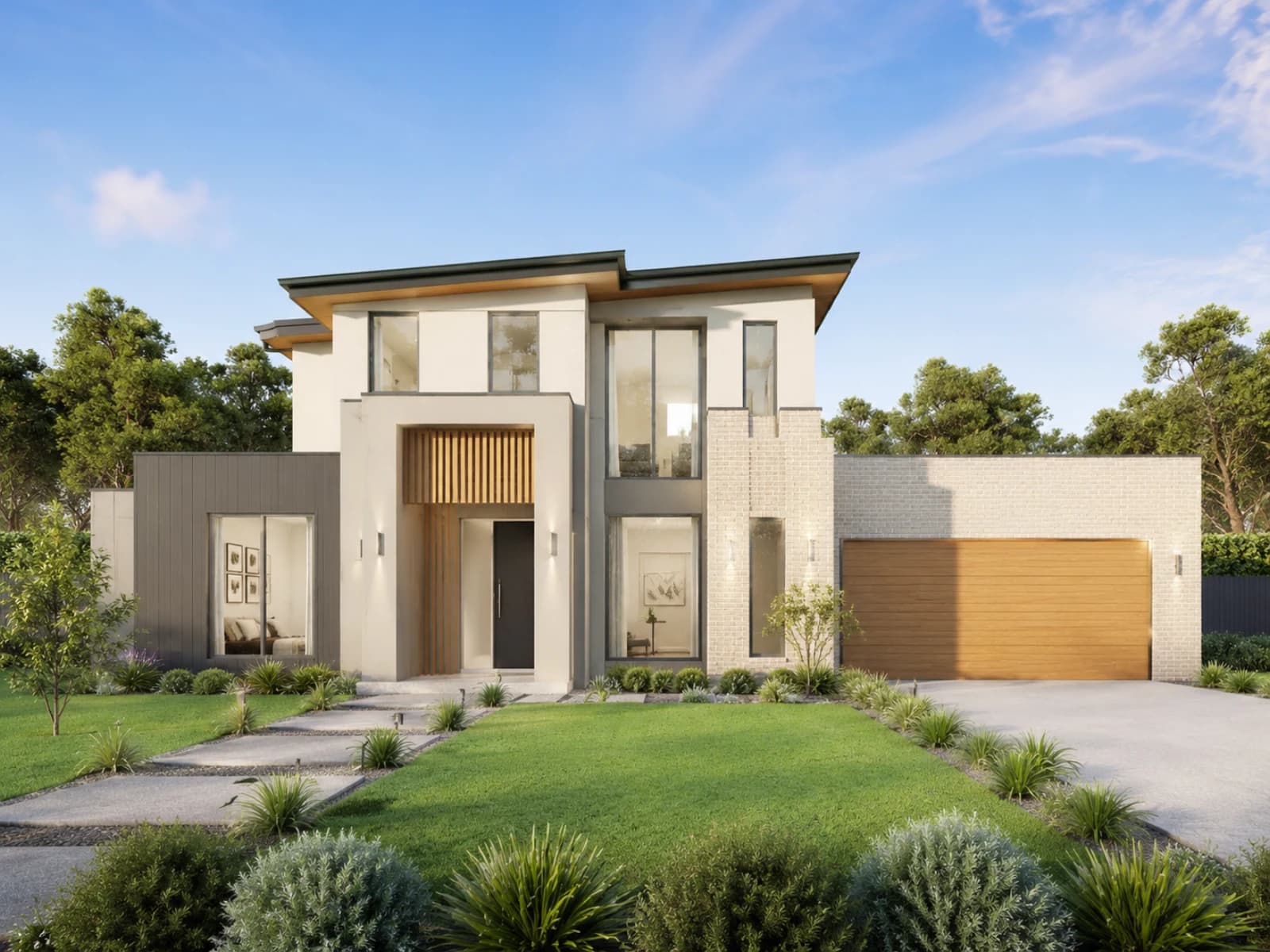
Riverton Family Home
Case Studies
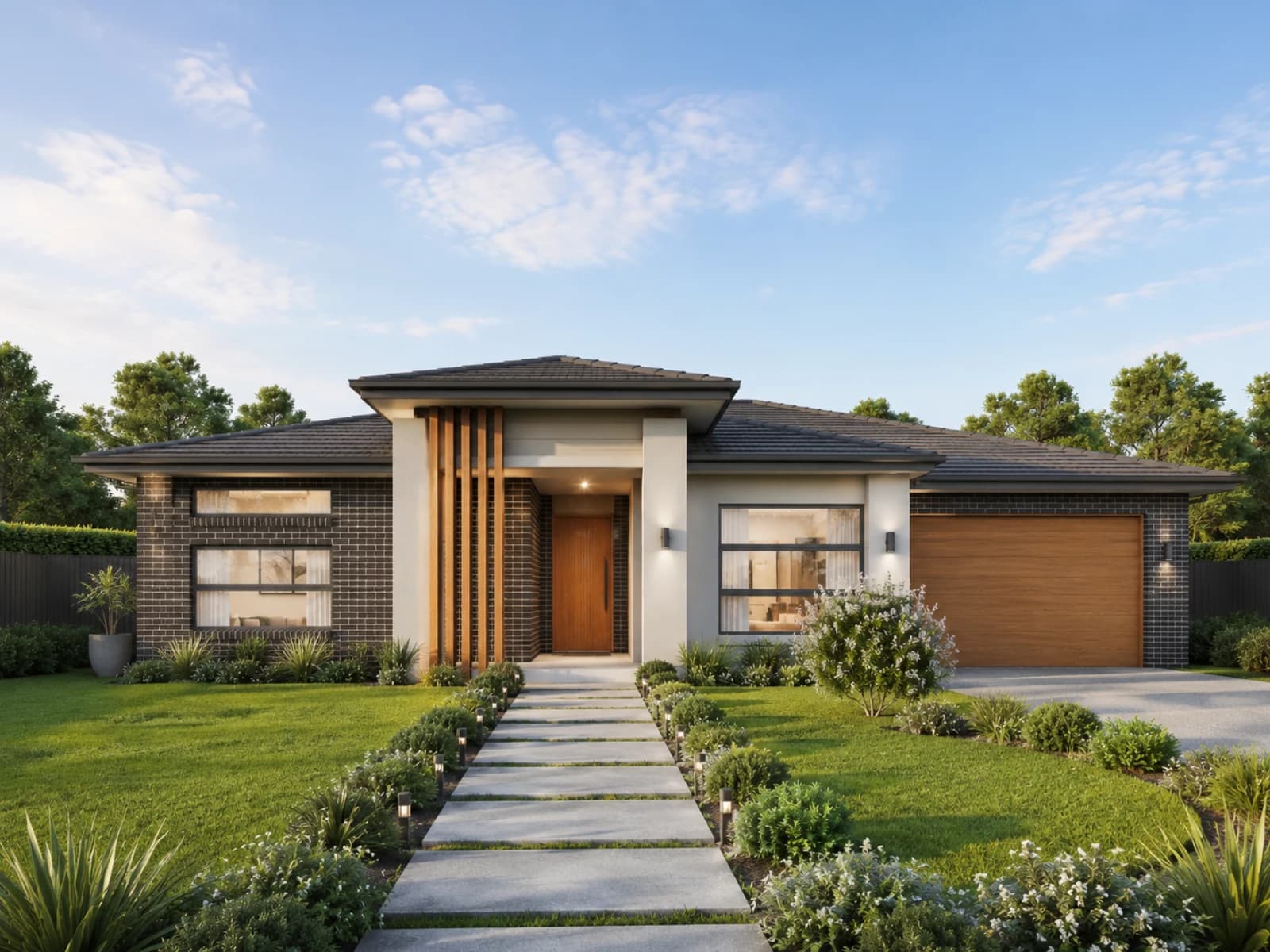
Project Style Home – Mt Barker
Case Studies
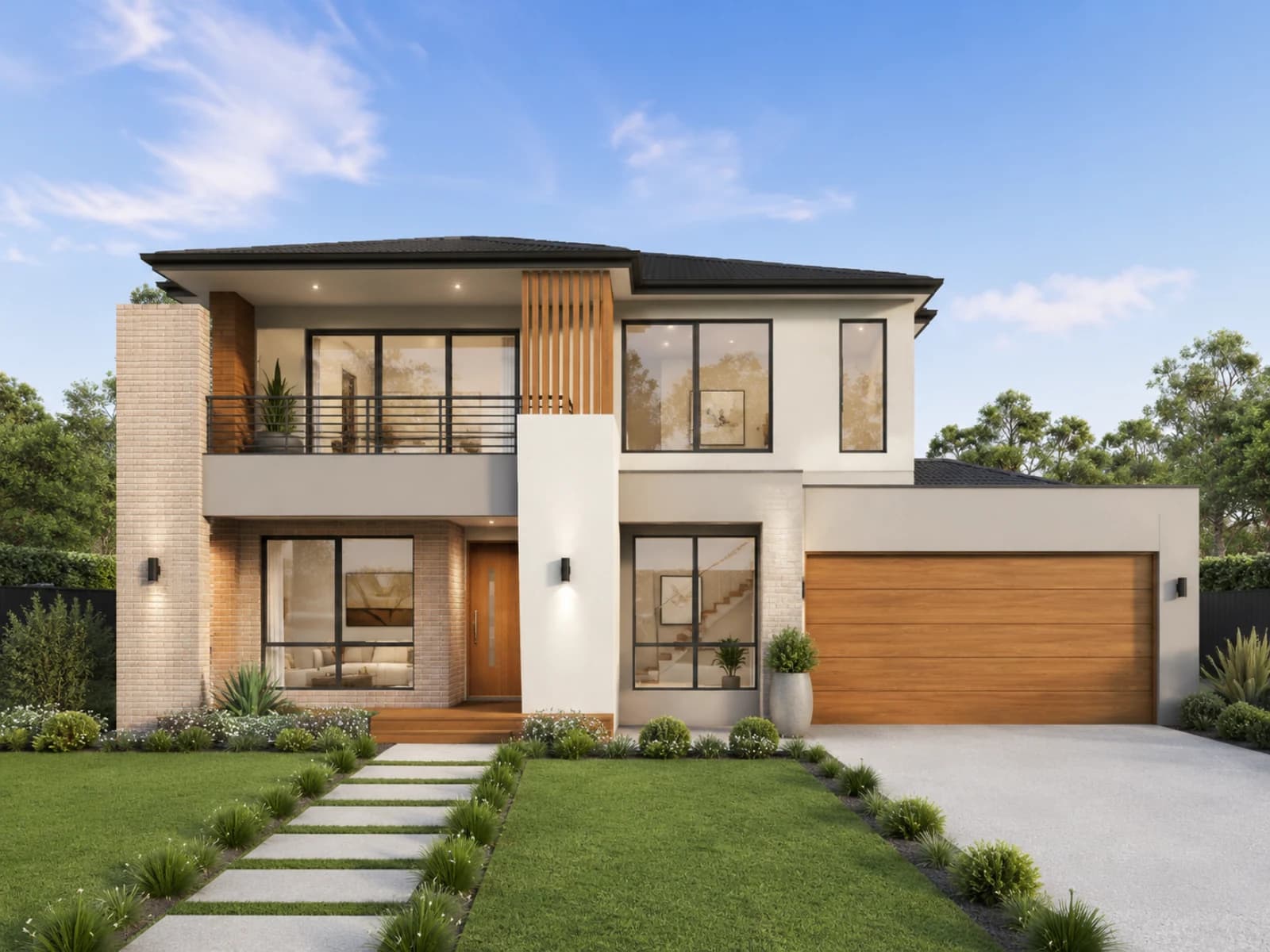
Summit One Residence
Case Studies
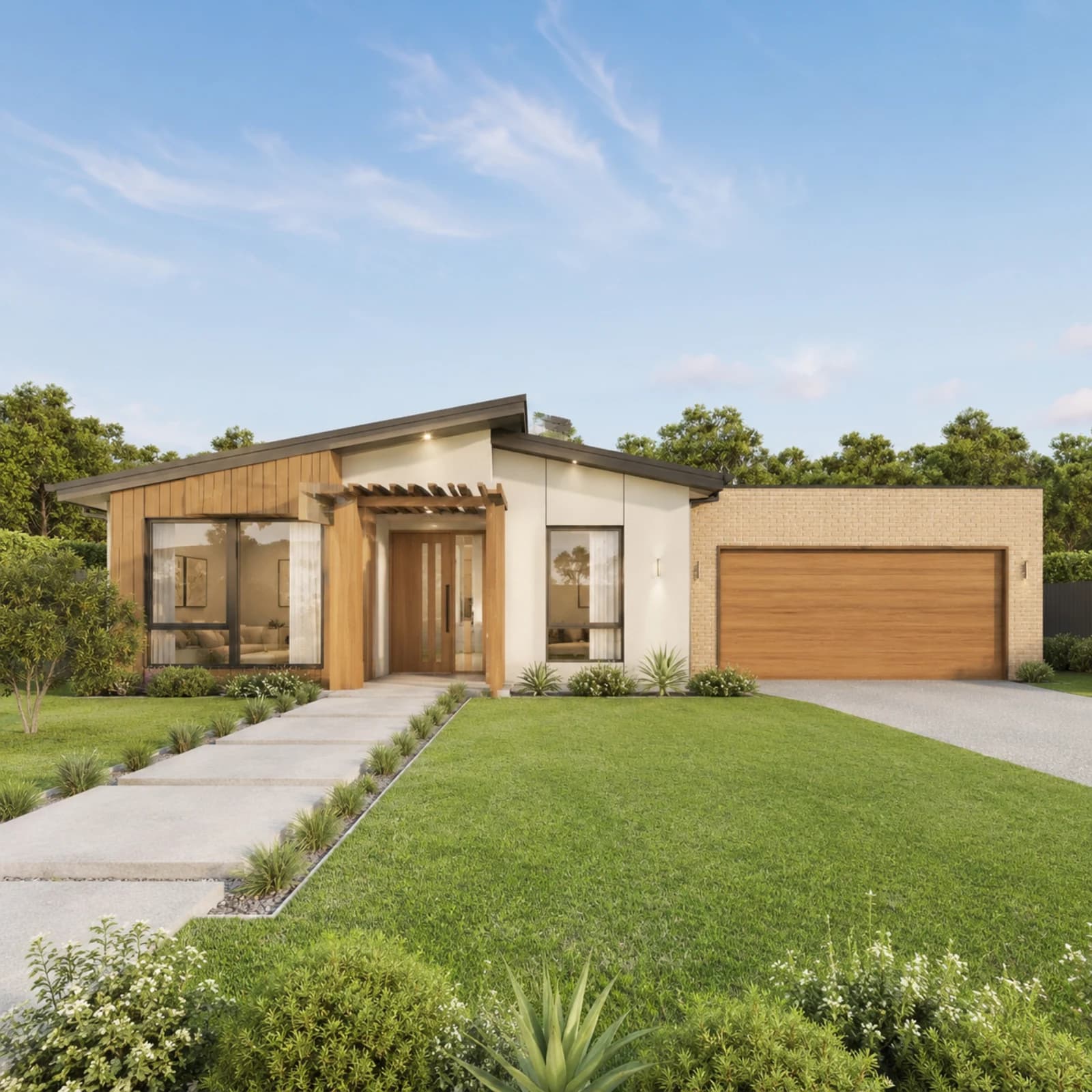
Parkview Terrace
Case Studies
Coastal Breeze Residence
Technical Guide
NABERS vs NatHERS: Understanding the Key Differences in Building Energy Ratings
Regulatory
NCC 2025 Section J – What Commercial Builders Need to Know
Technical Guide
NatHERS Climate Zones
Technical Guide
NatHERS Star Ratings Explained
Technical Guide
NatHERS Whole of Home Assessment Process

Technical Guide
Complete Section J Assessment Checklist for Builders, Architects & Designers

Technical Guide
A Client's Guide to Energy Compliance in Queensland
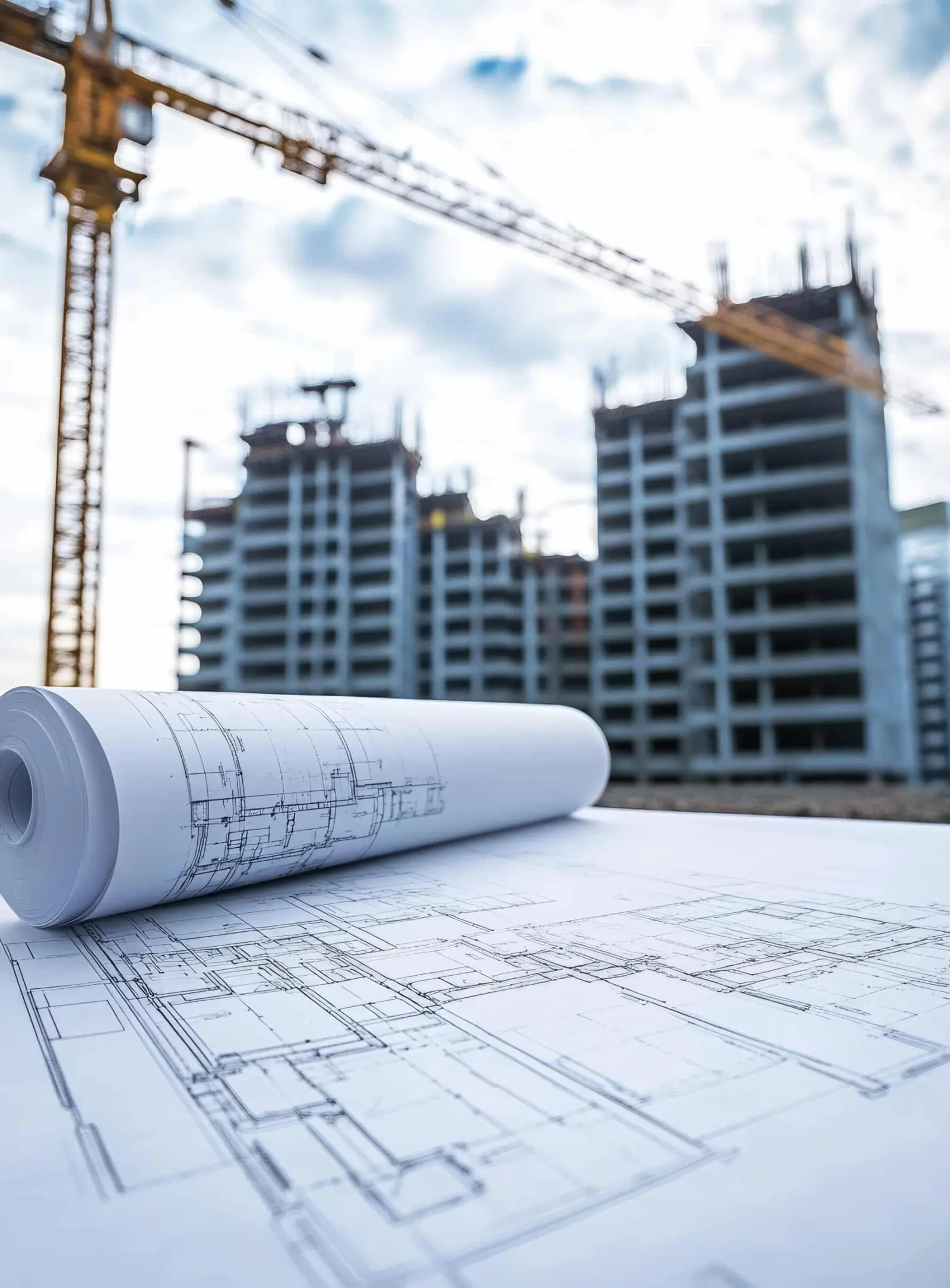
Technical Guide
J1V3 Explained: A Practical Guide for Builders and Architects
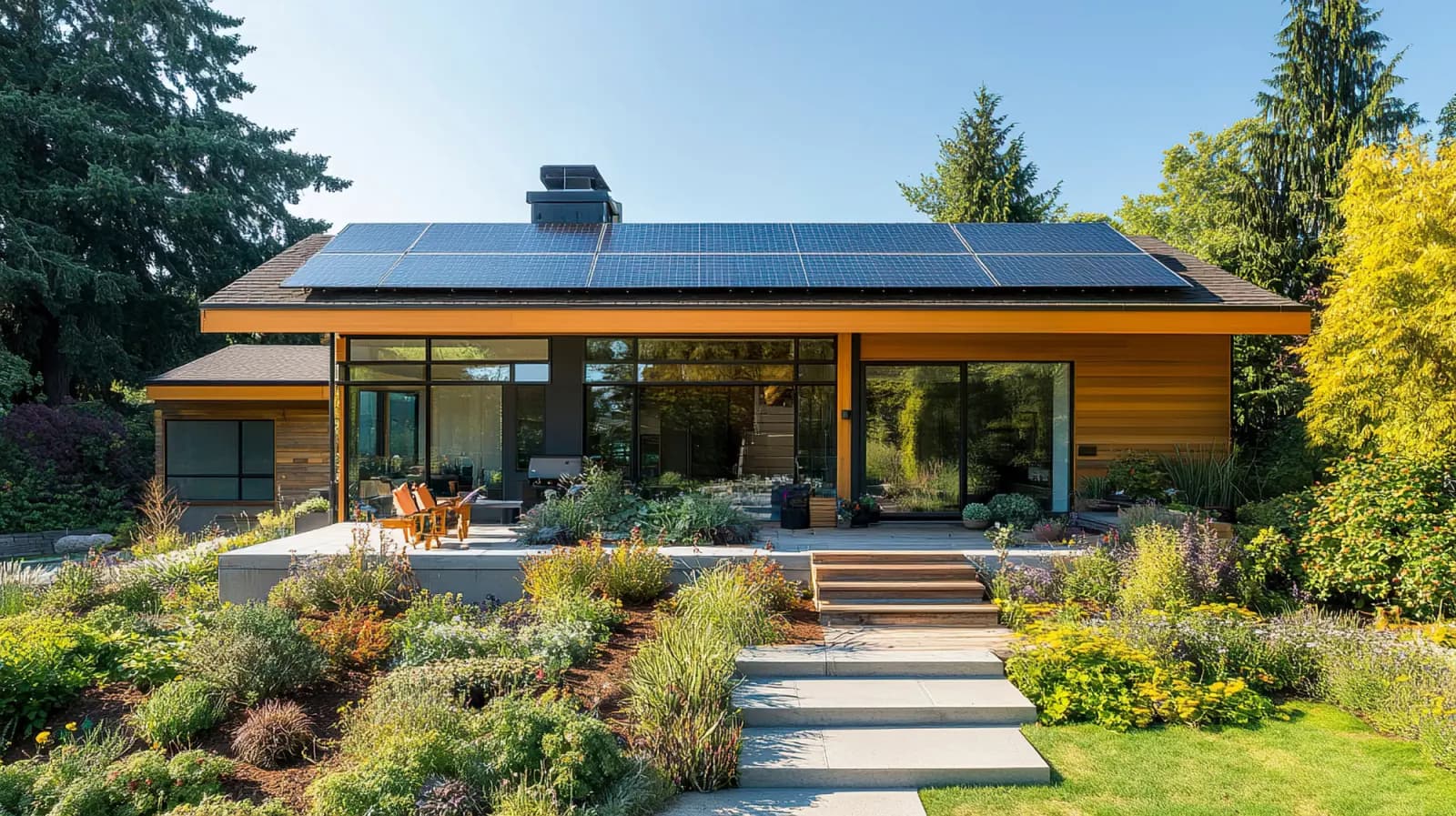
Technical Guide
Introduction to Passive Design
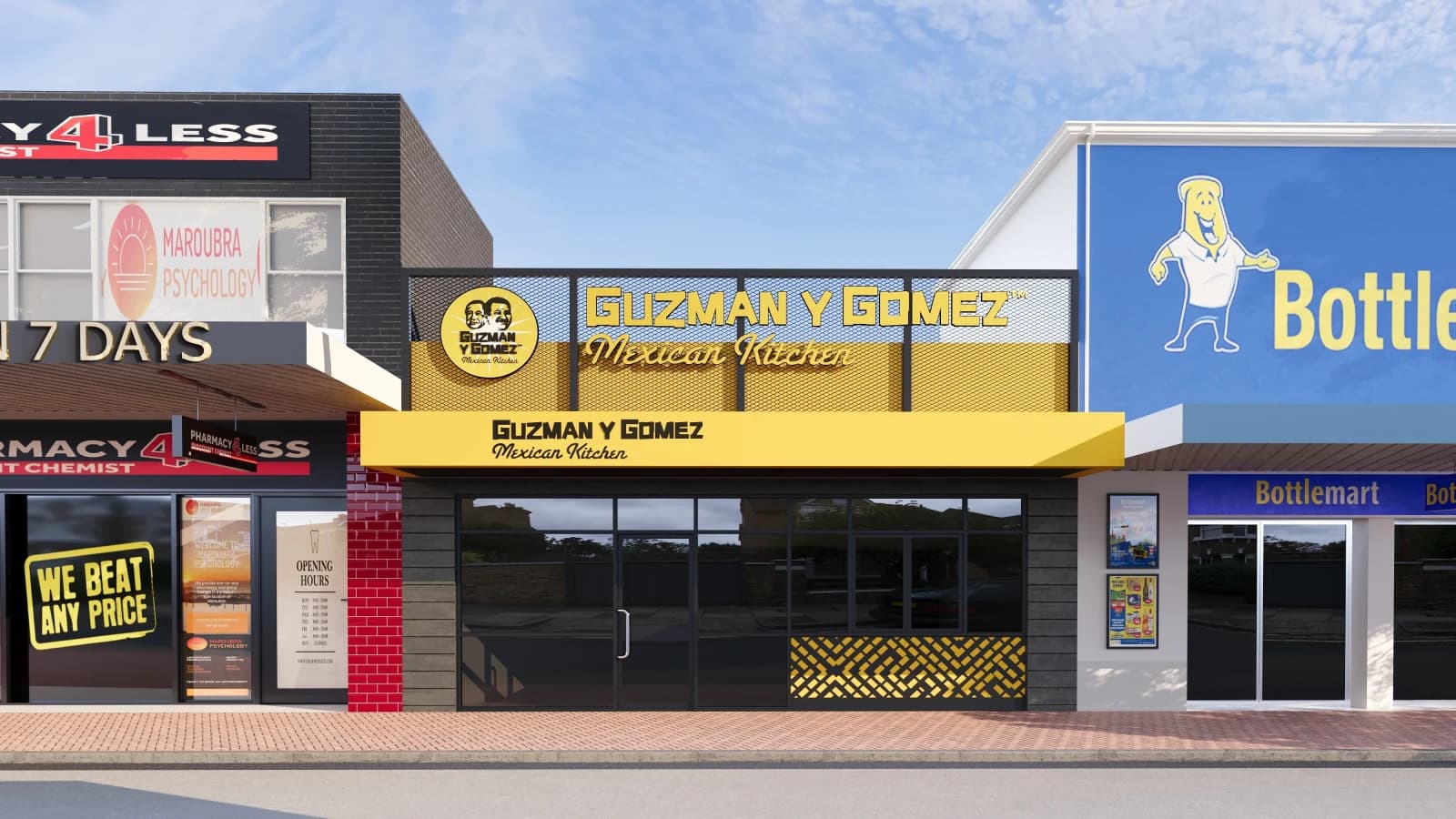
Case Studies
Guzman y Gomez – Conversion
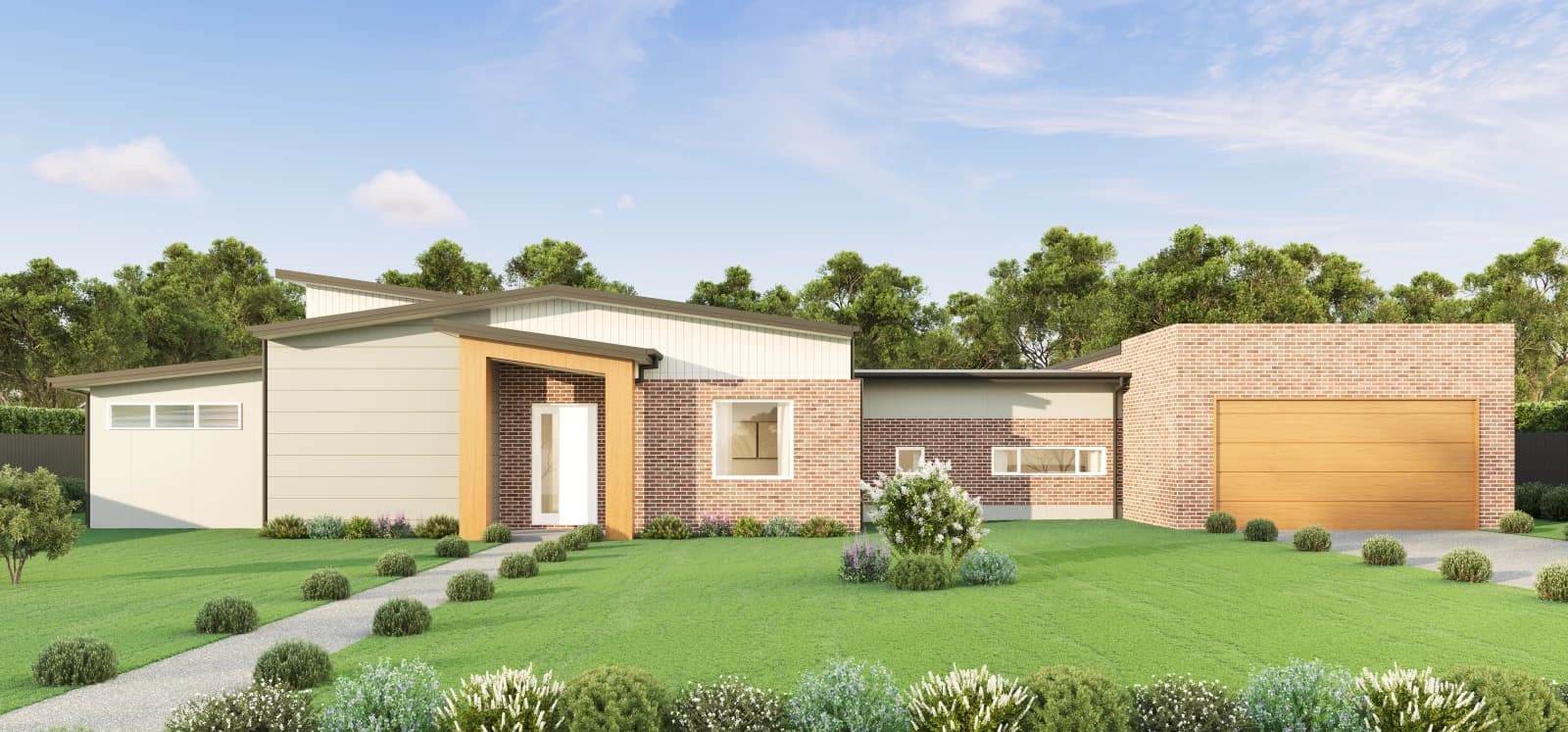
Case Studies
Project Style Home – New Beith
Our Capabilities
The preferred partner in the industry
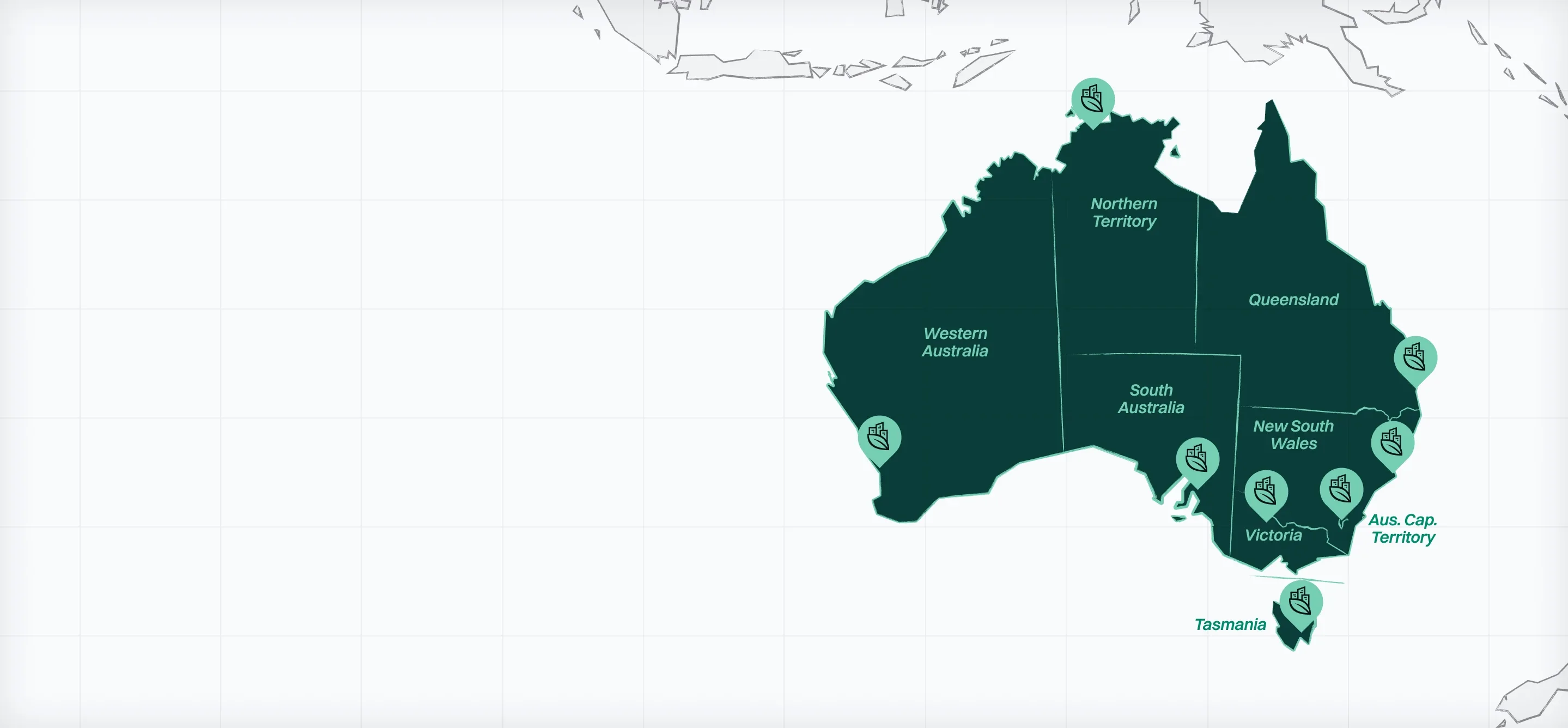
Our expertise spans all types of residential and commercial buildings. Our Senior Technical Officer has extensive industry experience, having completed thousands of energy assessments nationwide.
FAQs
Most new residential builds and many additions or alterations to an existing home require an energy efficiency report or another approved energy-compliance pathway for a building permit.
Under NCC 2022, 7 stars is the thermal-performance benchmark for new houses and apartments in jurisdictions that have adopted it, subject to local variations and transition arrangements. New South Wales also applies its separate BASIX requirements.
A NatHERS star rating is not the only pathway to showing that a building is compliant. The available options depend on the project, jurisdiction, adopted NCC edition, and approval pathway.
The cost of completing an Energy Assessment will vary depending on the type of construction and what type of assessment is required.
We strive to maintain competitive prices without compromising the quality of our service, and we back that with a price match guarantee.
Contact us with your plans and we will confirm a fixed quote for your project.
We aim for a 2 day turnaround time for all projects as standard. If you need a job completed urgently to meet a deadline, please let us know that your job is high priority.
If the turnaround time cannot be met for your project we will provide continued updates, and keep you informed of all potential delays.
There are three common options to demonstrate residential energy compliance, depending on the project and jurisdiction:
- Achieving the applicable NatHERS rating in accredited software. Under NCC 2022, the benchmark is 7 stars in jurisdictions that have adopted it, subject to local variations and transition arrangements.
- Verification using a Reference Building (VURB), where permitted.
- Deemed-to-Satisfy (DTS) provisions in the applicable NCC edition.
New South Wales also applies the separate BASIX pathway. We can confirm which option applies to your project.
A NatHERS assessment provides a rating from 0 to 10 stars, with higher ratings reflecting a more energy-efficient house design. A 10-star dwelling needs effectively no added energy to stay thermally comfortable, while a 0-star dwelling offers very little protection from the weather.
A 7-star rating is generated through NatHERS-accredited software and takes into account the local climate, room usage, the layout and orientation of the house, insulation, glazing, shading, and construction materials. Seven stars is the NCC 2022 thermal-performance benchmark for new houses and apartments in jurisdictions that have adopted it, subject to local variations and transition arrangements.
Verification using a Reference Building (VURB) uses a minimum performance standard to demonstrate compliance by comparing the proposed building with a reference building. The National Construction Code (NCC) defines the reference-building settings. If the proposed building meets or exceeds the reference building’s energy performance, it satisfies that verification pathway.
Availability and detailed requirements depend on the adopted NCC edition, building classification, jurisdiction, and project circumstances. VURB is not available for every project, including projects following the separate New South Wales BASIX pathway.
We can compare VURB with the applicable NatHERS and Deemed-to-Satisfy options for your project.
A Deemed-to-Satisfy (DTS) solution follows the prescriptive energy-efficiency requirements in the applicable edition of the National Construction Code.
For residential projects, the relevant provisions and permitted pathway depend on the building classification, jurisdiction, adopted NCC edition, and any transition arrangements. The requirements can cover building fabric, glazing, sealing, air movement, and services.
This method provides a pass-or-fail result against the prescribed provisions and offers less design flexibility than a performance solution. We can confirm whether DTS is suitable for your project.
Insulation and glazing upgrade requirements can be significantly reduced by incorporating Energy Efficient design principles during the design process.
Common design considerations include positioning living areas and glazing on the North side so they get access to the sun in winter, shading Northern windows to block the sun in summer, reducing overall glazing where possible, considering ventilation requirements and ensuring colour choices suit the climate zone and dwelling design.
“Your Home” is a free online resource which guides you on how to properly implement design elements so that your home takes advantage of the environment to maintain a comfortable internal temperature.
Our Director, Albert Burton, holds accreditation with Design Matters National. We understand that some design decisions may not always lead to the most energy efficient outcome. Our goal is to keep insulation and glazing upgrades to the minimum required, without compromising your home design. We are always available to discuss your needs and provide a solution that suits your individual circumstances.
Many additions, alterations, and renovations to an existing home require an energy-compliance assessment, but the exact obligation depends on the scope, council requirements, house design, jurisdiction, adopted NCC edition, and approval pathway.
We recommend contacting us so we can confirm the minimum applicable requirement and the most cost-effective solution for your project.
Get a quote
Receive your quote within four working hours.
Built for volume
Delivering 10,314 reports and counting takes systems built for scale. Reports back in 3 business days for standard projects, bulk project management, and our in-house client portal keep high-volume programmes moving.
Join NowJobs / Overview. Rivergum Homes NSW’s Jobs with Tasks, Quotes, Active Jobs and Completed Reports tabs. A conversation for 42 Banksia Avenue, Kellyville NSW 2155 between the client, an assessor and the Green Choice admin team.
.webp&w=3840&q=75&dpl=dpl_9U6Wwfvsm8pY9oiTYBmYNkrqZhni)