
Waste Management Plans
Get in contact today and learn how we can help you through the assessment process.
On this page

Get Your Quote
Receive your quote within four working hours.
Operational Waste Management Plans for Residential & Commercial Developments
A Waste Management Plan (WMP) outlines how waste and recycling generated by a development will be stored, managed, and collected once the building is occupied. Many councils require a Waste Management Plan as part of a Development Application (DA) or planning permit to demonstrate that the proposed development can support safe, efficient, and sustainable waste management.
At Green Choice Consulting, we prepare council-compliant Waste Management Plans for residential, commercial, industrial, and mixed-use developments across Australia. Our experienced sustainability consultants work with developers, architects, planners, and project teams to deliver tailored reports that support planning approvals and help keep projects moving.
Whether you’re planning a townhouse development, apartment building, commercial premises, or mixed-use project, our team can provide a practical Waste Management Plan designed to meet your council’s requirements. Contact us today to discuss your project or request a quote.
What Is a Waste Management Plan?
A Waste Management Plan (WMP) is a report that outlines how waste and recyclable materials generated during the ongoing operation of a development will be managed.
The purpose of the report is to ensure that a development has sufficient waste storage capacity, practical collection arrangements, safe vehicle access, and effective recycling systems before the building is occupied.
Many councils require a Waste Management Plan as part of the planning approval process for residential, commercial, industrial, and mixed-use developments. The report demonstrates that waste management has been considered during the design phase and that future occupants will have access to efficient, safe, and sustainable waste disposal systems.

A typical Waste Management Plan assesses:
- Expected waste generation volumes
- Waste and recycling streams
- Bin quantities and sizes
- Waste storage room requirements
- Collection arrangements
- Collection vehicle access
- Waste handling procedures
- Recycling and resource recovery opportunities
- Ongoing waste management responsibilities
- Signage and occupant education
By addressing the management of waste early in the design process, project teams can avoid costly redesigns, improve recycling outcomes, reduce impacts on surrounding properties, and satisfy council planning requirements.
Why Are Waste Management Plans Important?
Effective waste management is an essential component of modern development design. As councils continue to place greater emphasis on sustainability, resource recovery, and urban amenity, operational waste guidelines have become a common requirement for planning approval across Australia.
A well-prepared Waste Management Plan ensures that waste generated by residents, tenants, employees, customers, or visitors can be managed efficiently throughout the life of a development.
Supporting Planning Approval Requirements
Many councils require a Waste Management Plan to accompany a Development Application or planning permit submission.
The report provides council with confidence that the proposed development can safely accommodate its future waste and recycling requirements without impacting on neighbouring properties, public spaces, traffic movements, or collection services.
A comprehensive Waste Management Plan can help streamline the planning process and reduce requests for additional information during assessment.
Improving Sustainability Outcomes
Waste Management Plans encourage better waste separation, recycling, and resource recovery outcomes by ensuring developments are designed with appropriate infrastructure from the outset.
By making recycling and organics disposal convenient and accessible, developments can significantly reduce the amount of waste sent to landfill over their operational lifespan.
This contributes to broader sustainability objectives and aligns with growing environmental expectations across the property and construction sectors.
Improving Building Functionality
Waste is often overlooked during the early stages of design. However, inadequate waste storage areas, poor collection access, or insufficient bin capacity can create ongoing operational challenges for building owners and occupants.
Developing an appropriate plan for waste early helps to ensure:
- Sufficient space for waste storage
- Efficient collection arrangements
- Safe vehicle access
- Reduced odour and noise impacts
- Improved building amenity
- Better long-term operational outcomes
Avoiding Costly Redesigns
Considering waste management requirements during the design phase can help avoid significant redesign costs later in the project.
Waste storage rooms, loading docks, collection areas, and access routes often require substantial space allocation. Identifying these requirements early helps ensure they are properly integrated into the overall building design.

Request a Waste Management Plan
Get in contact today and learn how we can help ensure you meet WMP requirements.
Who Requires a Waste Management Plan?
Waste Management Plans are commonly required for developments that generate significant volumes of waste or require specialised waste collection arrangements.
At Green Choice Consulting, we prepare Waste Management Plans for a wide range of project types, including:
- Apartment developments
- Townhouse developments
- Mixed-use developments
- Residential subdivisions
- Commercial office buildings
- Retail centres
- Shopping centres
- Restaurants and cafes
- Childcare centres
- Schools and educational facilities
- Student accommodation
- Hotels and hospitality developments
- Healthcare facilities
- Aged care developments
- Warehouses
- Industrial facilities
- Precinct-scale developments
Whether your project involves a small multi-dwelling development or a large mixed-use precinct, a tailored Waste Management Plan helps ensure future waste requirements are properly addressed.
What Does a Waste Management Plan Include?
Every development generates different waste streams and has different operational requirements. For this reason, Waste Management Plans should be tailored to the specific development rather than relying on generic templates.
At Green Choice Consulting, our Waste Management Plans are prepared based on the scale, use, occupancy levels, and planning requirements of each project.
Waste Generation Assessment
The first step is assessing the volume and types of waste likely to be generated by the development once occupied.
Waste generation estimates are typically based on factors such as:
- Development type
- Number of dwellings
- Floor area
- Occupancy levels
- Tenancy mix
- Building use
Accurate waste generation calculations help determine storage requirements, collection frequencies, and future operational needs.
Waste Stream Identification
A Waste Management Plan identifies all anticipated waste streams generated by the development. These may include:
- General waste
- Commingled recycling
- Food organics and garden organics (FOGO)
- Glass recycling
- Cardboard and paper
- E-waste
- Hard waste
- Green waste
- Commercial waste streams
- Specialised waste streams relevant to the development
Identifying waste streams early helps ensure sufficient infrastructure is incorporated into the building design.
Bin Quantity, Size and Capacity
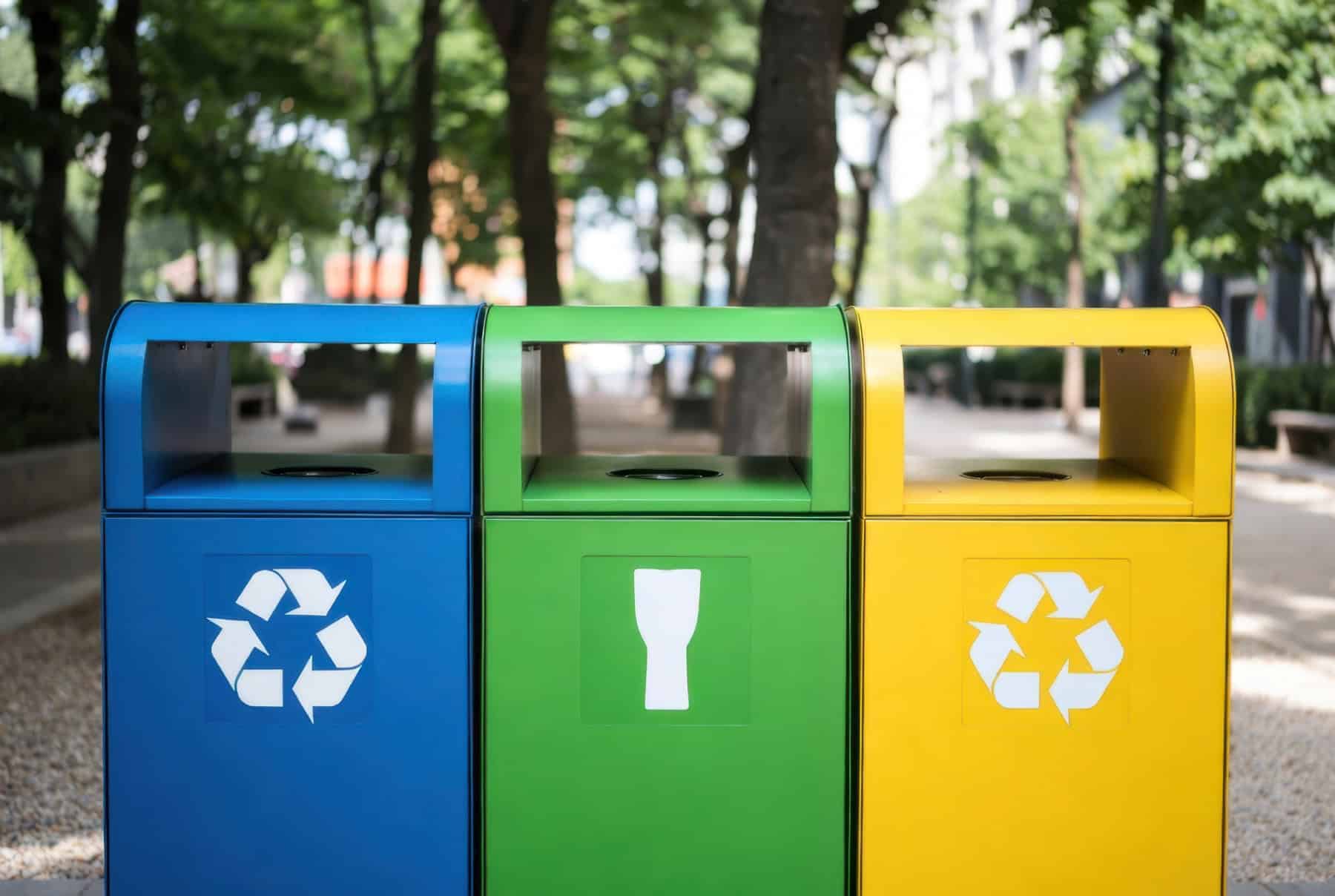
Based on estimated waste volumes, the Waste Management Plan determines the number and size of bins required for each waste stream.
This assessment considers:
- Waste generation rates
- Available storage space
- Collection frequency
- Council requirements
- Future operational flexibility
The objective is to ensure sufficient capacity while maintaining efficient use of available space.
Waste Storage Areas
Waste storage areas play a critical role in the long-term operation of a development.
The Waste Management Plan assesses requirements for:
- Bin storage rooms
- Waste rooms
- Loading docks
- Waste transfer areas
- Wash-down facilities
- Ventilation
- Odour management
- Vermin control
- Accessibility requirements
Appropriate waste storage design helps maintain hygiene, improve safety, and support efficient waste collection operations.
Collection Arrangements
The report outlines how waste will be collected from the site and whether collection services will be provided by council or private contractors.
This includes consideration of:
- Collection frequency
- Collection zone
- Bin presentation procedures
- Collection methods
- Building management responsibilities
- Operational requirements
Collection arrangements must be practical, safe, and compatible with the design of the development.
Vehicle Access and Collection Movements
For many developments, collection vehicle access is a critical planning consideration.
Waste Management Plans assess:
- Vehicle access routes
- Loading dock arrangements
- Turning movements
- Swept path requirements
- On-site manoeuvring
- Collection vehicle clearances
- Safety considerations
Ensuring collection vehicles can safely access and service the development is often a key requirement of council assessment.
Ongoing Waste Management Procedures
A Waste Management Plan does more than identify waste storage and collection requirements. It also establishes the procedures required to ensure the waste management system continues to operate effectively once the development is occupied.
This section outlines the ongoing management responsibilities associated with waste handling, storage, collection, and recycling.
Depending on the development type, ongoing waste management procedures may include:
- Building management responsibilities
- Bin presentation and return procedures
- Bin cleaning schedules
- Waste room maintenance
- Recycling contamination management
- Illegal dumping prevention
- Hard waste collection procedures
- Organics management procedures
- Occupant education programs
- Contractor management
Well-documented operational procedures help maintain building amenity, improve recycling outcomes, and reduce the likelihood of waste-related complaints or compliance issues.
Signage & Occupant Education
Even the best-designed waste management system can perform poorly if occupants are not provided with clear guidance on how to use it. Effective signage and education programs help improve recycling participation, reduce contamination, and ensure waste is disposed of correctly.
Depending on the development, a Waste Management Plan may include recommendations for:
- Waste room signage
- Bin identification signage
- Recycling education materials
- Resident welcome packs
- Tenant information guides
- Commercial tenant waste management procedures
- Organics and food waste guidance
- E-waste disposal information
- Hard waste disposal procedures
Providing clear information helps occupants understand their responsibilities and supports improved waste diversion and recycling outcomes over the long term.
What Councils Look For in a Waste Management Plan
When assessing a development application, councils want to ensure that the proposed development can effectively manage waste and recycling without creating impacts on occupants, neighbouring properties, public spaces, or collection services.
A Waste Management Plan demonstrates that the development has been designed with sufficient infrastructure and operational procedures to accommodate its future waste requirements.
While requirements vary between councils, most planning authorities will assess several key areas.
Adequate Waste Storage Capacity
Councils assess whether sufficient space has been allocated for waste and recycling infrastructure, including bin storage areas and servicing requirements. The proposed capacity should be appropriate for the size and use of the development.
Appropriate Waste Separation Systems
Developments should provide suitable systems for separating general waste, recycling, organics, and any other relevant waste streams. Effective separation supports resource recovery and helps reduce contamination.
Safe Collection Arrangements
Councils review how waste will be collected, including collection locations, servicing arrangements, and operational practicality. Collection systems should be safe, efficient, and suitable for the development.
Vehicle Access and Servicing Requirements
Many developments require waste collection vehicles to enter the site or access dedicated loading areas. Councils often assess vehicle movements, loading dock design, access routes, turning areas, and servicing arrangements to ensure waste collection can occur safely and efficiently.
Amenity Considerations
Waste management systems should be designed to minimise impacts on occupants and neighbouring properties. This includes considerations such as:
- Noise from waste collection activities
- Odour management
- Visual screening of waste areas
- Cleanliness and maintenance
- Pest and vermin control
Sustainability and Resource Recovery
Many councils are placing increasing emphasis on sustainability outcomes and landfill diversion. Waste Management Plans are often assessed on their ability to support recycling, organics collection, waste reduction initiatives, and broader resource recovery objectives.
By incorporating these principles early in the design process, developments can achieve better environmental outcomes while meeting planning requirements.
Waste Management Plans & Green Star Certification
Waste management plays an important role in the sustainability performance of modern developments and can contribute to broader environmental objectives and certification pathways.
For developments pursuing Green Star Certification, effective waste management planning can support sustainability outcomes relating to resource efficiency, operational performance, waste reduction, and occupant wellbeing.
A well-designed waste management system can contribute to:
- Improved recycling rates
- Reduced landfill waste
- Enhanced resource recovery
- Better building operations
- Long-term sustainability outcomes
- Alignment with broader ESG objectives

While Green Star Certification considers a wide range of sustainability categories, waste management remains an important component of responsible building design and operation.
At Green Choice Consulting, we regularly assist project teams delivering sustainable developments and can ensure your Waste Management Plan aligns with broader sustainability and certification requirements.
Integrated ESD Consulting
Waste Management Plans are often just one component of a broader planning and sustainability approval process.
At Green Choice Consulting, we provide a comprehensive range of environmental sustainability consulting services that can be coordinated alongside your Waste Management Plan requirements.
Our services include:
- Green Star Certification
- NatHERS Certificates
- BASIX Certificates (in NSW)
- Section J Reports
- J1V3 Modelling
- Sustainable Design Assessments (SDA)
- ESD Reports
- Building Sustainability Assessments
- Waste Management Plans
By working with a single consultant across multiple compliance requirements, project teams can often achieve a more streamlined and efficient approval process.
Our Process
At Green Choice Consulting, we aim to make the Waste Management Plan process straightforward, efficient, and aligned with your project objectives.
1. Project Review
We begin by reviewing the available project information, including:
- Architectural plans
- Site plans
- Development layouts
- Planning requirements
- Land use details
- Occupancy information
This allows us to understand the specific operational waste requirements of the proposed development.
2. Waste Assessment & Calculations
Our consultants assess the likely waste generation associated with the development and determine:
- Waste stream requirements
- Bin quantities and capacities
- Collection frequencies
- Storage requirements
- Recycling opportunities
- Resource recovery initiatives
This assessment forms the foundation of the Waste Management Plan.
3. Waste Management Strategy Development
Based on the project requirements, we develop a tailored waste management strategy addressing:
- Waste generation
- Waste storage
- Collection arrangements
- Vehicle access
- Operational procedures
- Signage and education
- Council compliance requirements
Our recommendations are designed to be both practical and achievable within the constraints of the development.
4. Waste Management Plan Preparation
We prepare a detailed Waste Management Plan suitable for planning applications and council submissions.
The report typically includes:
- Waste generation calculations
- Waste stream assessment
- Bin sizing and quantities
- Waste storage arrangements
- Collection methodology
- Vehicle access considerations
- Operational management procedures
- Signage recommendations
5. Submission Support
Where required, we can provide clarification and supporting information to assist with council review processes.
Our team understands the documentation typically requested by planning authorities and can help ensure your submission proceeds as smoothly as possible.
How Much Does a Waste Management Plan Cost?
The cost of a Waste Management Plan can vary depending on the size, complexity, and type of development.
Smaller residential developments such as single dwellings, duplexes, and townhouse projects are generally more straightforward and may require less detailed waste assessments.
These generally cost between $800 to $1,200 + GST.
Commercial, industrial, and mixed-use developments often involve:
- Larger waste volumes
- Multiple waste streams
- More detailed reporting requirements
- Additional sustainability considerations
These projects may require more comprehensive waste management documentation and coordination, with costs starting from $1,400 + GST
Projects with broader sustainability requirements may require more detailed coordination across multiple compliance areas.
At Green Choice Consulting, we provide tailored quotes based on your project requirements and scope.
How Long Does a Waste Management Plan Take?
Timeframes for preparing a Waste Management Plan depend on the scale and complexity of the project, as well as the information available at the time of assessment.
For smaller residential developments, Waste Management Plans can often be completed within 3 – 5 business days once the required documentation has been provided.
Larger commercial or mixed-use developments may require additional assessment and coordination depending on project complexity and sustainability requirements.
Providing complete documentation early can help streamline the process and reduce delays.
Why Early Engagement Helps
Engaging a waste management plan consultant early in the design and planning stages can help support smoother planning approvals, reduce delays during submission, and identify sustainability opportunities earlier.

Why Choose Green Choice Consulting?
Green Choice Consulting provides practical, sustainability-focused consulting services for residential and commercial developments across Australia.
Our team understands the broader environmental and planning requirements that apply to modern construction projects and works closely with project teams to deliver clear, compliant, and commercially practical outcomes.
Australia-Wide Service
- Sydney
- Melbourne
- Brisbane
- Gold Coast
- Perth
- Adelaide
- Canberra
- Hobart
- Regional Australia
Integrated Sustainability Expertise
Unlike consultants focused solely on waste reporting, Green Choice Consulting provides broader sustainability and compliance expertise across Green Star, NatHERS, BASIX, Section J and more.
This allows us to support projects with a more integrated and coordinated sustainability approach.
Practical & Responsive Support
We understand that planning approvals and project timeframes can be demanding. Our team focuses on providing:
- Clear communication
- Practical advice
- Responsive service
- Tailored reporting
- Efficient turnaround times
Whether you are managing a residential build or a large commercial development, we work collaboratively to support your project requirements.
Request a Waste Management Plan
Get in contact today and learn how we can help ensure you meet planning requirements.
Frequently Asked Questions
What is the difference between a Waste Management Plan and an Operational Waste Management Plan?
In most planning approval contexts, the terms Waste Management Plan (WMP) and Operational Waste Management Plan (OWMP) are used interchangeably.
Both refer to a report that assesses how waste generated during the ongoing operation of a development will be stored, collected, and managed once the building is occupied.
When is a Waste Management Plan required?
Many councils require a Waste Management Plan as part of a Development Application (DA) or planning permit submission.
Requirements vary between councils, but Waste Management Plans are commonly requested for apartment developments, mixed-use projects, commercial buildings, childcare centres, restaurants, schools, and industrial developments.
Who prepares a Waste Management Plan?
Waste Management Plans are typically prepared by specialist waste management consultants, sustainability consultants, town planners, or engineers with experience in planning approval requirements and waste management systems.
What information is required to prepare a Waste Management Plan?
Typically, we require:
- Architectural plans
- Site plans
- Development details
- Proposed land use information
- Occupancy or dwelling numbers
- Any relevant council requirements
The more detailed the project information provided, the more accurate the assessment can be.
Do Waste Management Plans need to be prepared before planning approval?
Yes. In most cases, the Waste Management Plan forms part of the planning application documentation submitted to council for assessment.
Preparing the report early can help identify potential design issues before they become costly to rectify.
Can Waste Management Plans be prepared for mixed-use developments?
Yes. Mixed-use developments often require more detailed waste management assessments because residential and commercial waste streams typically need to be managed separately.
We regularly prepare Waste Management Plans for mixed-use developments throughout Australia.
Do Waste Management Plans consider recycling and organics collection?
Yes. Modern Waste Management Plans typically assess a range of waste streams, including general waste, recycling, organics, cardboard, glass, e-waste, and hard waste where relevant.
The objective is to maximise resource recovery and reduce waste sent to landfill wherever practical.
How long does it take to prepare a Waste Management Plan?
Timeframes vary depending on project complexity and the quality of information provided.
For many residential and commercial developments, Waste Management Plans can be completed within a few business days once all required documentation has been received.
Can a Waste Management Plan support Green Star Certification?
Yes. Construction waste management strategies may contribute toward Green Star sustainability objectives relating to responsible construction and resource management.
Request a Waste Management Plan Quote
Whether you are planning a residential development, commercial project, or Green Star-aligned building, Green Choice Consulting can assist with tailored Waste Management Plans designed to support compliance and sustainable construction outcomes.
Contact Green Choice Consulting today to discuss your project requirements and request a tailored quote.
Request a Waste Management Plan
Get in contact today and learn how we can help ensure you meet energy efficiency requirements.

Get Your Quote
Receive your quote within four working hours.